A shed is the easiest building on your property to break into. It usually sits away from the house, it is often built from thin timber, and it holds exactly the sort of things a thief can carry off and sell the same afternoon: cordless drills, a decent bike, a mower.
Most shed break-ins are not the work of a master criminal. Someone spots a flimsy latch, an unlocked side gate or a shed tucked out of sight behind a hedge, and takes the opportunity while it is there. That is good news, because opportunists are the easiest people to put off. What follows is roughly the order I would work through it in, starting with the cheapest jobs.
Stand outside and look at your shed door as if you were the one trying to get in. The lock is rarely the weak point; the hasp holding it usually is. If the hasp is fixed with the small screws that came in the packet, a firm tug with a claw hammer will pull the whole thing out of the timber.
Fix the hasp and staple with coach bolts that go right through the door, with the nuts on the inside or the threaded ends hammered over so they cannot be unscrewed. Then choose a padlock with a closed shackle — the sort where very little of the shackle is exposed — so there is nothing for bolt croppers to grip. A long-shackled padlock on a loose-fitting hasp is an invitation; a tight-fitting one with a hardened closed shackle is a genuine obstacle.
If your shed has one lock, consider a second. Fitting a hasp at the top and another at the bottom of the door stops anyone levering a corner open. On a solid timber door, a mortice lock is stronger still. If you are not confident chiselling one in, a locksmith will do it properly, and the cost is small next to replacing a workshop full of tools.
Hinges on the outside of a shed can simply be knocked out with a chisel or a screwdriver, and the door comes away with the lock still firmly attached. Fit hinge bolts, or ask a joiner about security hinges. Replacing hinge screws with coach bolts is a five-minute job that makes a real difference.
Check the timber while you are there. If the frame around the hasp is soft, wet or splitting, no lock will hold. Cut out the rot and fit a new section of timber, or bolt a steel plate across the area so the fittings have something solid to bite into.
A window is a hole in your defences. If yours is single-glazed, a sheet of polycarbonate screwed over the inside, or a simple metal grille, makes entry far more effort. Security film on existing glass helps too, and it keeps broken pieces together.
Just as important: stop people seeing what is inside. Frosted film, a cheap roller blind or a sheet of plywood over the window means a passing thief has no idea whether there is a bike worth taking in there. Mysterious is good.
Placement does more work than most people give it credit for. A shed pressed against a back fence that borders a footpath or alley is the easiest thing in the world to attack, because nobody can see the thief from the house. If you have any choice in the matter, keep the shed visible from your kitchen or living room window, and keep the boundary side clear instead.
Then look at the route in. Lock the side gate with a proper keyed lock rather than a slide bolt at the top that can be reached over. Move anything that acts as a step — wheelie bins, planters, a stack of paving slabs, a log store — away from the fence line. A strip of gravel along the boundary is noisy underfoot and costs very little, and prickly planting such as hawthorn, berberis or pyracantha does a job that no fence panel can.
Light is cheap and unglamorous, and it works. A dusk-to-dawn light or a motion sensor aimed at the shed door removes the darkness a thief relies on. Point it at your own garden, though, not at the neighbour's bedroom window.
Half the battle is reducing the reward. A thief who cannot shift what they have taken, or who can be traced through it, is a thief who will not bother.
Ring your insurer or read the policy before you need it. Many home contents policies limit what they will pay for items kept in an outbuilding, and some require specific locks or a locked shed before they will pay out at all. Ask what standard of lock they expect, and whether bikes and power tools are covered away from the house. If anything is unclear, get it confirmed in writing — guessing is how people end up with an unpaid claim.
Then make the whole lot a habit rather than a project. Last thing at night, check the shed door and the side gate. Keep a note of when you last tested the alarm and changed its batteries. Do not hide a spare key in a plant pot or on a nail behind the shed; leave one with a neighbour you trust. And resist posting holiday plans on social media until you are home again.
None of this is dramatic, and that is rather the point. A shed with a bolted hasp, a closed-shackle padlock, a light that comes on and nothing worth looking at through the window is a shed most thieves will walk straight past.
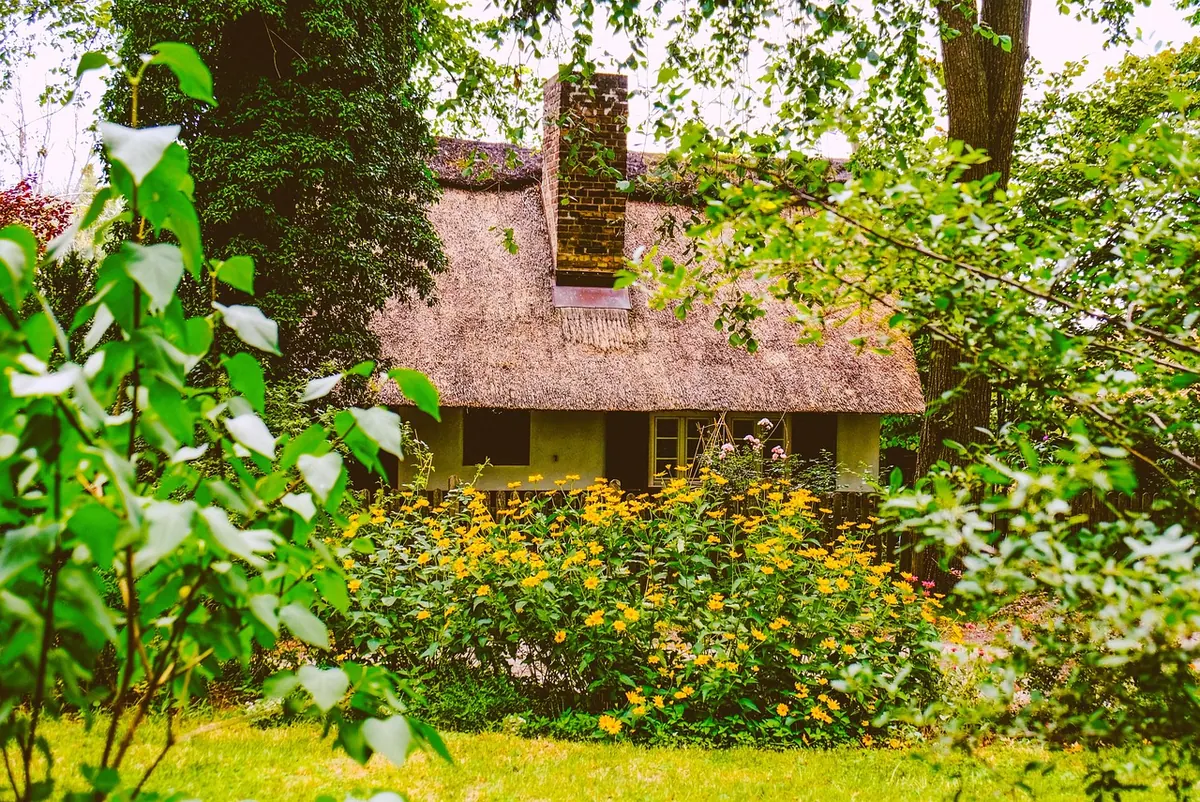
Photo: wal_172619 / Pixabay
How electric, infrared, wood burner and other garden room heaters compare on running costs, installation and...
Zone, shelter and light a corner of your garden properly, and you will use it from early spring to late autumn — not...

Cold surfaces, trapped moisture and poor airflow make sheds sweat. Here is how to find the cause, stop the drips and...

Cosy wooden garden rooms and outdoor retreats.
